Fundraising
Issi is a project dedicated to the community that houses it. A community educational farming project not only feeds people, but supports the future of the people it serves.
Issi staff will be able to live on site to reduce burdens associated with cost of living and to reintroduce communal living and support to people. Staff will also be given a CSA (Community Supported Agriculture) share.
Service will be offered to design, install, and maintain native plant gardens and ecosystems. Integration with goats and/or deer to clear brush.
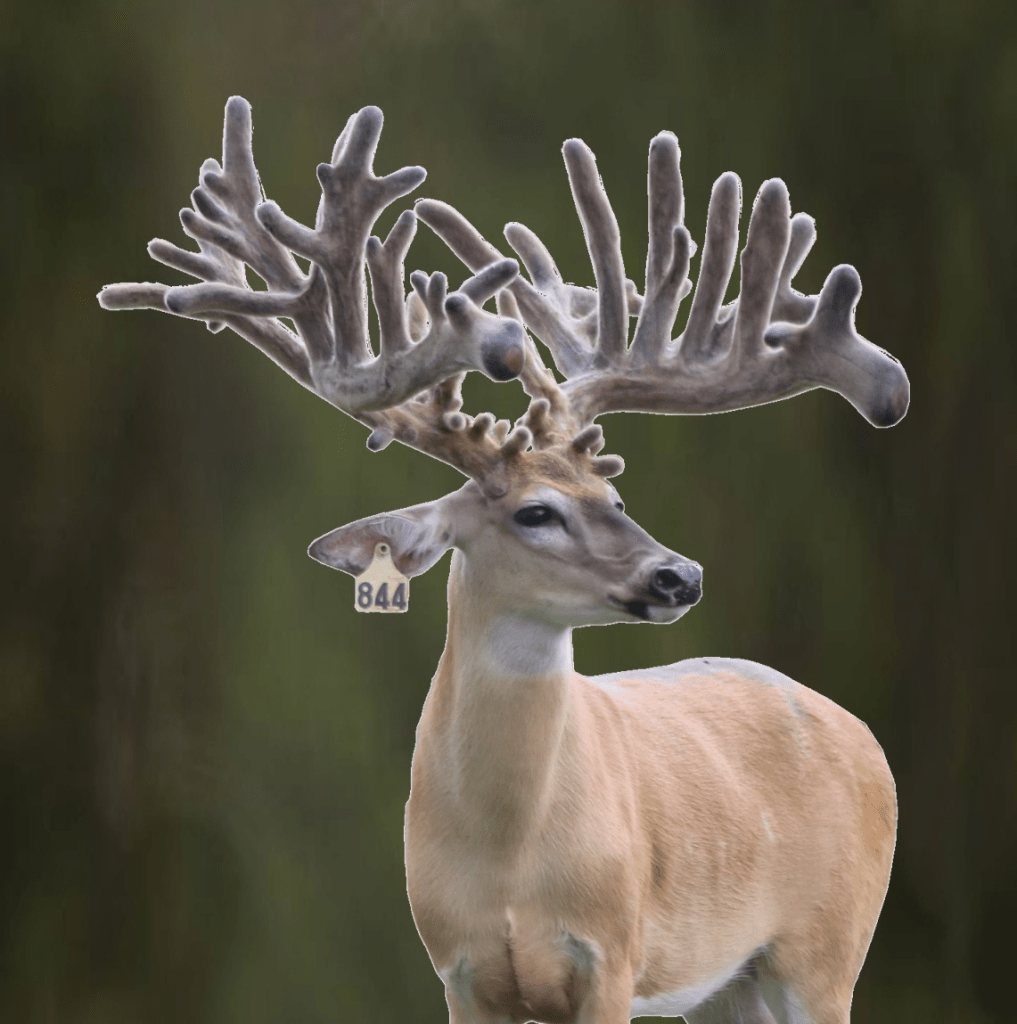
Long term goal is to farm deer (no kill) for velvet, antlers, manure, and restoration projects. Intermediate is heritage breeds which will be grant supported.
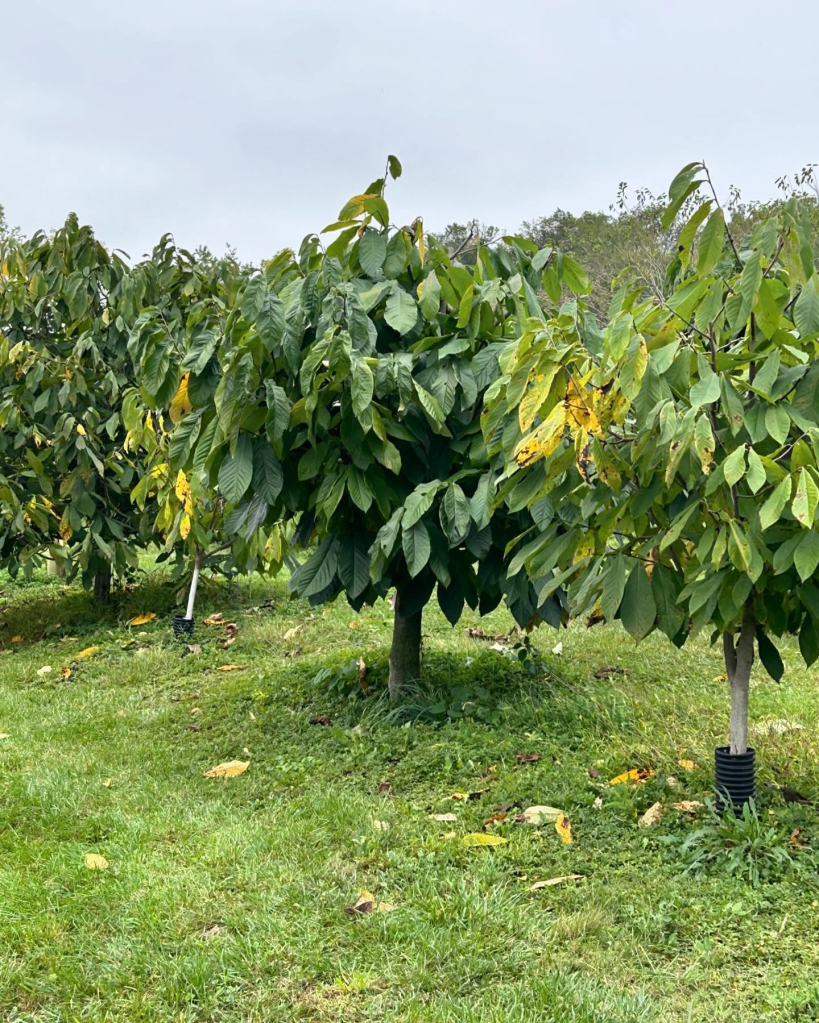
Plants will be heritage breeds in traditional formations. An example would be three sisters (corn, beans, and squash). Indigenous species will be used preferentially.
Classes will include foraging, regenerative agriculture, nature based art making, and cooking.
Staff will be able to develop and run novel programming also.
Phase 1:
Acquire land with infrastructure
Restoration projects
Phase 2:
Plant agriculture
Community classes
Phase 3:
Animal integration
Where are we now?
Beginning stages
Looking for land
Building infrastructure
Incorporating as a non profit
Ownership
Non-profit wing of Rain and Robin’s business within a land cooperative. This is open to discussion with stakeholders as we want to do whatever feels right to our community. Ultimately we want to utilize the financial protections of both an LLC and a Non-profit in order to do our work.
We want everyone working the farm to have a vested interest and ability to have ownership of the farm without a financial barrier. We are not in the business of exploiting labor and expertise. This project is to grow a village and a home for Indigenous people, black and brown folks, and accomplices.
Money
Ideally there would be salaried staff, but everyone, including primary owners make the same amount unless otherwise determined by the group.
Decision Making
Communal decision making, there is a general trajectory, but the community working the land has a major say in what happens.
How will we make money
Grants (USDA, PA Council for the Arts, Foundations)
Fee for service – restoration, contract native plant growing service, classes, certificate programs
Agriculture products (animal & vegetable)
CSA (Farm Shares)
FAQs
Why animals?
Animals have always been integrated into indigenous food ways. It is important to us to honor the animal and provide it with all the love and care they deserve. We will not be killing animals as part of the business, but monetizing byproducts of domesticated animals. We love our livestock like they are part of our family. There is some room for individual community members to raise and utilize animals for personal use, but this is a discussion decided by the community and a case by case basis.
Can I live here if I can’t work the farm?
Maybe! Even if you can’t do manual labor, there are admin and other computer based tasks that we need help with. Ultimately the founding group has input on who can live on site.
How can I secure a spot?
Helping get it started and being committed to working the farm. Right now, we have volunteer opportunities that will later convert to staff members.

